
San Francisco · Generator Installation & Repair
Commercial Generators
Standby units from 40kW to 150kW for restaurants, clinics, offices, retail and small industrial, wired to an automatic transfer switch and kept on a service plan.
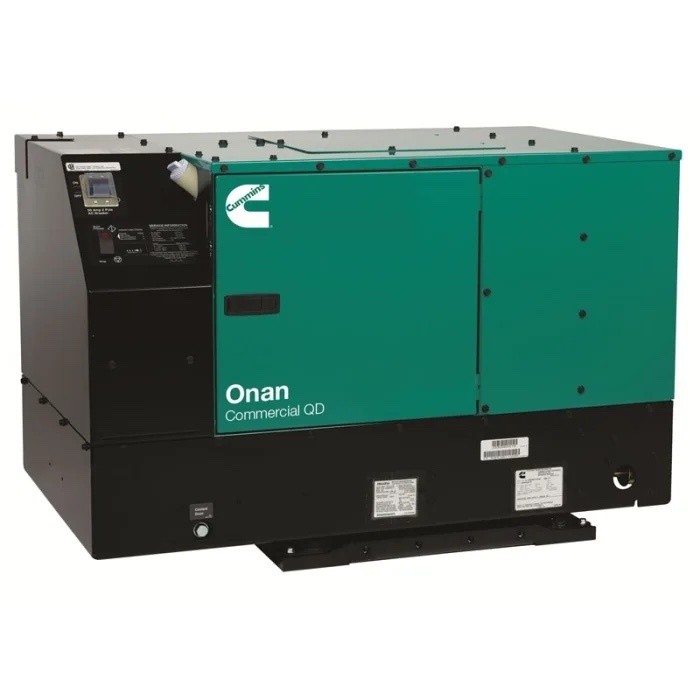
Commercial Generators · San Francisco
Keeping A Business Trading Through An Outage
For most San Francisco businesses the loss from an outage is not dramatic, it is just relentless: the walk-in warms up, the point-of-sale goes down, the card terminals stop, the lights go, and everybody stands around until the power comes back. A commercial generator ends that. We install natural gas and diesel sets from roughly 40kW to 150kW behind restaurants, clinics, dental and medical suites, small offices, grocery and liquor stores, dispensaries, veterinary practices, self-storage, and light industrial units, wired through an automatic transfer switch so the business is back inside ten seconds without anybody making a decision. The essential design question is never how big the service is — it is what genuinely has to keep running. Refrigeration, the registers, the network, some lighting and the walk-in almost always. Air conditioning and the whole general-purpose panel usually not, because covering those doubles the size of the machine for something nobody would notice for an hour. Above this band the work becomes an industrial generator project; below it, a backup generator on a critical-loads panel is often plenty.
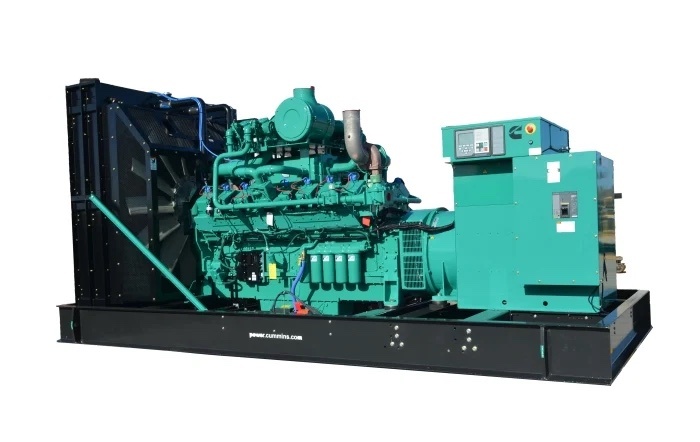
Why Go With Us For Commercial Standby
Commercial customers get burned in two predictable ways. The first is being sold a machine sized to the electrical service instead of to the load, which costs multiples of what the job needed. The second is a unit installed years ago that nobody has serviced, load-tested or even started under load since, and which fails the first time it is asked to work. We size off measured load and tell you plainly which circuits we think should not be on the generator. We install as a licensed C-10 contractor with the permits pulled and the inspection met. And we put every commercial unit we touch onto a written commercial generator maintenance schedule with reports that record what was actually found. We also do the unglamorous half of this business — taking over service on somebody else’s installation, finding out why it will not start, and getting it back into a state where it works.
- Sized to measured load, with a straight recommendation about what to leave off the generator.
- Natural gas and diesel sets from 40kW to 150kW, in sound-attenuated enclosures where the site needs it.
- Automatic transfer switches installed, commissioned and tested under a simulated outage before handover.
- Permits pulled, inspection met, and life-safety loads handled to the testing requirements that apply to them.
- Written commercial generator service plans with reports that state findings rather than tick boxes.
- Emergency generator repair 24/7, including on units another contractor installed.
Reasons A Business Installs A Generator
The situations where a commercial generator pays for itself quickly:
You hold perishable stock
Restaurants, groceries, butchers, florists, pharmacies and anyone with a walk-in. An eight-hour outage empties a cooler and a freezer, and the loss is stock plus the trading you did not do while replacing it. This is the single most common reason a San Francisco business calls us.
You cannot take payment without power
Card terminals, the point-of-sale, the network and the lighting are the minimum viable business. Backing up that shortlist is a small machine and a small budget, and it is the difference between a slow afternoon and a closed one.
Your building code requires standby power
Emergency lighting, exit signage, fire alarm systems, elevator recall and smoke control in buildings above certain thresholds have mandated standby power and mandated testing. If that applies to your building, the question is compliance rather than choice, and the testing records are what get inspected.
You provide care or hold living things
Clinics, dental practices, dialysis, veterinary hospitals, boarding, aquarium and laboratory operations all have loads where an outage is a welfare and liability problem rather than an inconvenience. These jobs get designed around the equipment first.
Your tenants or clients expect continuity
Multi-tenant offices, coworking spaces, self-storage with electronic access, hotels with card readers and elevators. Being the building that stayed lit is a leasing advantage, and being the one that did not is remembered for a long time.
You already own a generator that has never been proven
A large share of the commercial units behind buildings in this city have not been load-tested since installation, and a meaningful share of those will not carry the load they were bought for. Finding that out during a test is cheap. Finding out during an outage is not.
Tell us what your business cannot trade without, and we will size the machine around that rather than around your service panel. Call: (415) 818-1837
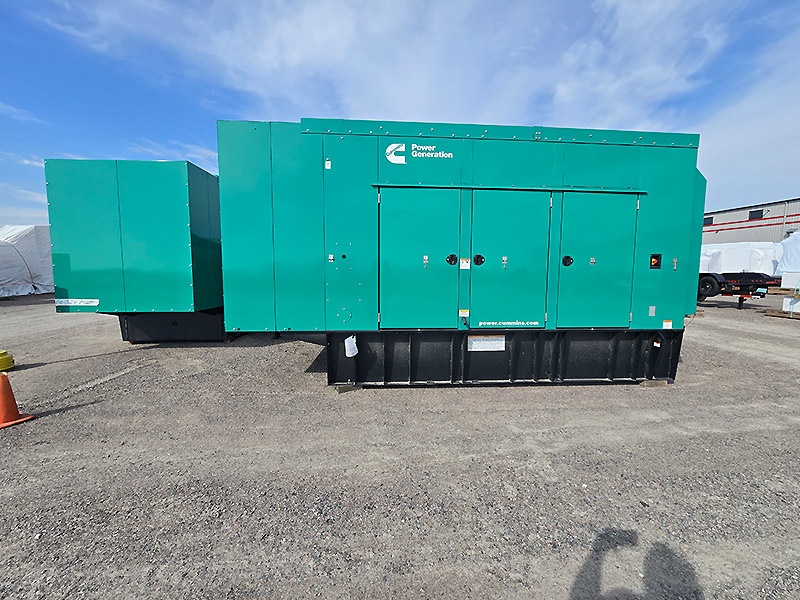
How A Commercial Install Works
Same discipline as a residential install, with more attention to what stays off the generator.
1. Load survey and scope
We meter the real load, separate what has to stay on from what does not, check starting current on compressors and lifts, and look at where a machine can physically go given setbacks, exhaust routing, gas availability and the local noise limit. You get a written scope and a fixed price.
2. Permits and equipment
Electrical and mechanical permits, air-district registration on diesel sets, and any life-safety review the building triggers. Equipment lead times at this size run from a few weeks to a few months depending on configuration, and we tell you which before you sign.
3. Installation around your trading hours
Pad or steel set, unit placed, gas or fuel system connected, exhaust routed, transfer switch installed at the service, conductors pulled and terminated. The transfer switch cut-over needs a short planned outage, and we schedule that overnight or on a closed day rather than through your lunch service.
4. Test under a real outage, then service
We simulate a genuine utility failure, watch the transfer, run it under load, verify the alarms and the remote monitoring, and hand over a commissioning record. Then the maintenance schedule starts, because an untested commercial set is a decoration.
Sizing, Fuel, Transfer Switches And Compliance
What a commercial standby project actually turns on:
Sizing to the load, not to the service
A restaurant on a 400-amp service rarely needs a 400-amp generator. Refrigeration, the walk-in, hood and make-up air, registers, network and lighting is frequently 40kW to 60kW. Air conditioning and the general-purpose circuits are what push a quote to 150kW, and for most businesses that is money spent on comfort that nobody would miss for an hour.
Natural gas or diesel for a commercial building
Natural gas: no fuel storage, no tank rules, no stale fuel, unlimited runtime while the main is live, simpler air-district position. Diesel: better with big motor starting steps, fuel independent of the gas utility, and mandatory on some life-safety applications where a fuel supply on site is specified. In dense San Francisco commercial settings, gas generators win more often than not.
Transfer switches and what goes behind them
An automatic transfer switch isolates the building from the utility and connects it to the generator in seconds. The design decision is what sits behind it: the entire service, or an emergency distribution panel carrying only the loads that matter. The second is smaller, cheaper and easier to test, and it is what we recommend on most commercial jobs.
Life-safety loads and mandated testing
Where a generator backs emergency lighting, exit signs, fire pumps, alarm systems or elevator recall, it is legally classified differently and carries mandated exercise and testing intervals with written records. Inspectors ask for the log, not for the machine. Keeping that log properly is part of what a commercial generator service plan should include and frequently does not.
Noise limits in a mixed-use city
San Francisco, Berkeley and Oakland all have noise ordinances with tighter limits at night, and most commercial generators in this city sit close to residential windows. Sound-attenuated enclosures and critical-grade silencers exist precisely for this, and scheduling the weekly exercise cycle for mid-morning rather than 6am costs nothing and prevents most complaints.
Roof, yard, garage or vault
Where the machine goes is often the hardest question on a city site. Roofs need structural review, engineered seismic anchorage and a rigging plan. Yards need setback and noise consideration. Parking garages and vaults need serious attention to exhaust and combustion air. Each is workable, and each is decided before quoting rather than after.
Service plans, and taking over somebody else's unit
Commercial sets want a minor service twice a year, a major service annually and a load-bank test annually if the load is critical. We are happy to take over a unit another company installed; the first visit is a full inspection and a load test so we both know honestly what condition it is in before anyone promises anything.
What A Commercial Generator Costs
A commercial standby install in this band typically runs from the high four figures into the low six figures, depending mostly on decisions rather than on your building. The main drivers:
- Size, which follows the load you choose to back up. Backing the whole service instead of an emergency panel is the single biggest cost multiplier in this category.
- Transfer switch rating and configuration, including whether life-safety loads need their own separately switched distribution.
- Fuel. A gas connection from an adequate meter is straightforward; a diesel tank with containment, monitoring and air-district permitting is not.
- Placement. Ground level in a yard is the cheap case. A roof set needs structural review, engineered anchorage, a crane and often a street permit.
- Acoustic treatment to satisfy the local noise ordinance, which in a mixed-use block is frequently the deciding factor in the enclosure specification.
- Whether the existing service and switchgear can accept the connection as they stand, or need work first.
We quote equipment, transfer switch, fuel, installation and commissioning as separate lines, and we will always say when a smaller machine covering less does the job. For a short-term or seasonal requirement, price it against a commercial generator rental first, and for larger loads see industrial generators. The full picture of what we do is on our San Francisco generator page.
Frequently Asked Questions
How big a generator does my business need?
Smaller than most people assume, because it should be sized to what must stay on rather than to your electrical service. A restaurant backing refrigeration, the walk-in, hood and make-up air, registers, network and lighting is usually 40kW to 60kW. Adding air conditioning and the general-purpose circuits is what pushes a quote toward 150kW, and for most businesses that money buys comfort nobody would miss for an hour.
How often does a commercial generator need maintenance?
A minor service twice a year, a major service annually, and an annual load-bank test where the load is critical or code-required. Minor covers oil and filters, belts, hoses, battery, coolant and a run under load; major adds valve and injector checks, coolant and fuel analysis and a full electrical inspection. Life-safety installations also carry mandated exercise intervals with written records.
Will you service a generator another company installed?
Yes, and a good share of our commercial work is exactly that. The first visit is a full inspection plus a load test, so we both find out honestly what condition the machine is in before anyone commits to a plan. If it needs work we quote it; if it is fine we say so and put it on a schedule.
Can you install a generator without closing the business?
Nearly all of it, yes. The pad, the machine, the fuel connection, the exhaust and most of the electrical happen while you trade. The one part that needs power off is the transfer switch cut-over at the service, which is typically a few hours, and we schedule that overnight or on a closed day.
Do commercial generators need a permit and inspection?
Yes: electrical and mechanical permits as standard, air-district registration or permitting for diesel sets, structural review for roof and mezzanine installations, and life-safety review where the generator backs emergency systems. We pull them, meet the inspectors and hand over the signed records, which is also what your insurer will eventually ask to see.
What happens if my commercial generator fails during an outage?
Call us: we run 24/7 emergency generator repair and carry common controller, battery, starting and fuel-system parts on the vans, which is what most no-start failures come down to. If the set cannot be recovered quickly we will get a rental unit to the site and cable it in so the business keeps trading while we deal with the repair properly.
Need a generator in San Francisco?
Tell us the address and what has to stay running, and we will come back the same day with a free estimate and one fixed price.
Or call us now: (415) 818-1837