
San Francisco · Generator Installation & Repair
San Mateo Generators
Whole-house standby on Peninsula lots with room to do it properly, plus commercial units for downtown and the 92 corridor.
San Mateo · Generator Installation & Repair
Peninsula Lots, Peninsula Loads
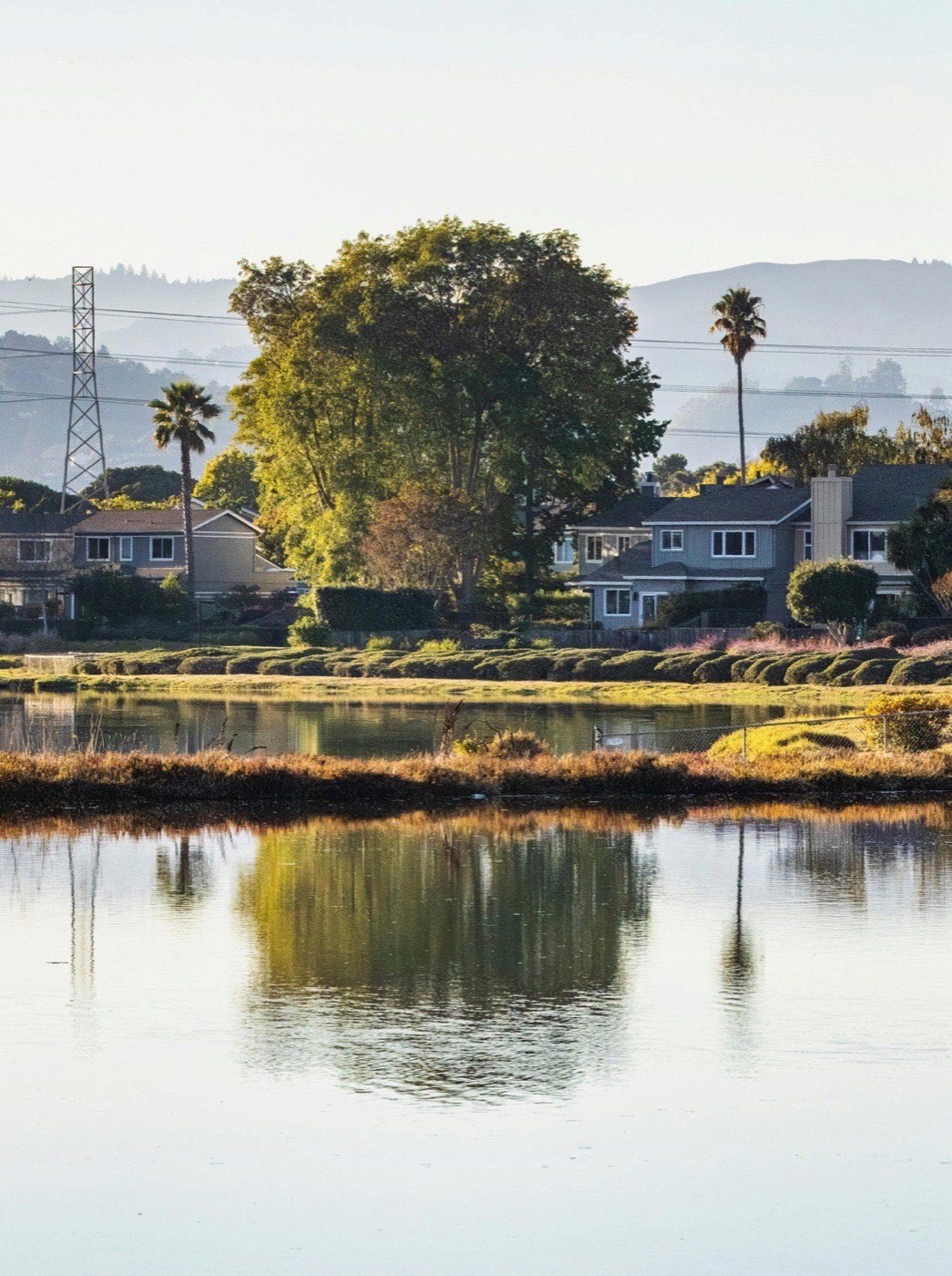
San Mateo is the easiest place on our map to put a generator in, and that shapes what people buy here. Lots in Aragon, Baywood, Hillsdale and San Mateo Park are large enough that a proper pad with correct clearances is a matter of choosing among several good spots rather than finding the only possible one, gas service is universal, and panels in the post-war housing stock are generally 200 amps or straightforwardly upgraded. The result is that more San Mateo customers end up with a genuine whole house generator covering the entire panel than anywhere else we work.
Loads on the Peninsula have grown quickly. Heat pumps have replaced gas furnaces in a lot of these houses, induction ranges are common, and most driveways have at least one EV charger on them. That combination pushes sizing up: a house that would have taken a 14kW unit in 2015 is frequently a 24kW or 26kW conversation now, and the honest version of that conversation includes whether you want the charger on the generator at all. Often the better answer is to leave it off and keep the money.
Downtown San Mateo, the 92 corridor and the Bay Meadows and Hillsdale commercial areas are the other half of the work. Restaurants along B Street, medical and dental suites, small offices and a steady amount of light industrial toward the freeway all want commercial generators sized to what actually has to stay up, plus commercial generator maintenance on the units already sitting behind those buildings.
And because the Peninsula is under near-permanent renovation, there is a constant demand for temporary power. A generator rental covers a whole-house remodel with the service dropped, a tenant improvement running behind schedule, or a weekend event at the county event center, and it costs a fraction of what people assume.
Generator Services In San Mateo
Everything we install, service and rent in San Mateo, dispatched from our shop in San Francisco.
🏠
Whole House Generators
Permanently installed natural gas standby units that carry the whole panel, start themselves within seconds of an outage and shut down when utility power returns.
🔌
Backup Generators
Portable and critical-load standby units that keep the heat, the fridge, the internet and the medical equipment running when the grid drops.
🏭
Industrial Generators
Diesel and gas sets from 150kW to over a megawatt for manufacturing, cold storage, research and process loads that cannot be interrupted.
🏢
Commercial Generators
Standby units from 40kW to 150kW for restaurants, clinics, offices, retail and small industrial, wired to an automatic transfer switch and kept on a service plan.
🔧
Generator Repair
Diagnosis and repair on any make, plus scheduled servicing, oil changes and load testing to stop the failure happening in the first place.
🚛
Generator Rentals
Towable and skid-mounted units from 20kW to 500kW for construction, events, film and emergency cover, delivered, connected and collected.
The crew that covers San Mateo is the same one working the rest of the city for a C-10 electrical contractor who does generators, so the sizing method, the permit handling and the pricing are identical here to anywhere else on our map. Call: (415) 818-1837
Frequently Asked Questions
What size generator do I need for my home?
It comes off a load calculation at your panel, not off the square footage. A typical San Francisco house with gas heat and a gas range is comfortable on 14kW to 18kW. Houses with a heat pump, an induction range or an EV charger generally need 22kW to 26kW. Anything above that moves into liquid-cooled equipment and a different price class. We measure what is actually connected before quoting a size.
What is the difference between a portable and a standby generator?
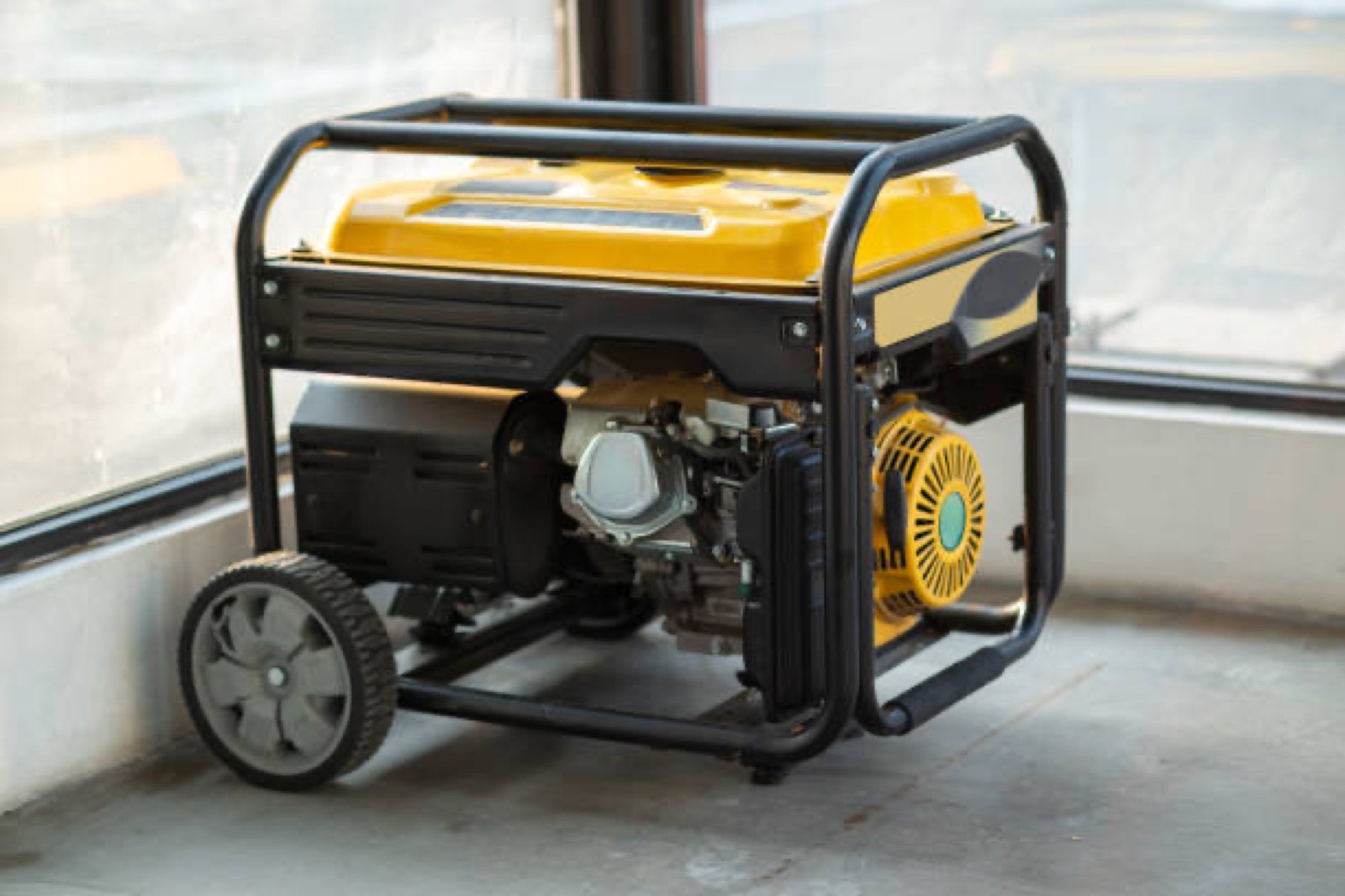
A portable is wheeled out, started and refuelled by hand, runs on gasoline or propane, and feeds a few circuits through a cord or an inlet box. A standby unit is bolted to a pad, plumbed into natural gas, starts itself about ten seconds into an outage with nobody home, and feeds whatever the transfer switch is wired to. The deciding question is usually whether somebody will reliably be there to operate it.
Which fuel is best — natural gas, propane or diesel?
For a home in San Francisco, natural gas, almost always: the main is already there, nothing is stored, nothing goes stale and runtime is unlimited. Propane is the answer where gas service is genuinely absent, at roughly a ten percent power penalty and with a tank to refill. Diesel belongs on commercial and industrial sites, where its power density and on-site fuel are worth the storage, noise and emissions obligations.
Which generator brands do you install and service?
We install and warranty Generac, Kohler, Cummins and Champion generators, and we service those plus Honda, Briggs and Stratton, Onan and most older equipment still running behind Bay Area buildings. Generac has the deepest parts network locally, Kohler runs quieter for the same output, Cummins suits commercial and larger loads, and Champion is the value option for a modest house.
How much does a whole house generator cost installed?
Between about $5,000 and $15,000 in this market, permitted and commissioned. The low end is a 14kW air-cooled unit with a critical-loads transfer switch, a short gas run and an easy pad. The high end is a 26kW unit with a 200-amp service switch, a long upsized gas line and a service upgrade first. Our number includes permits, commissioning and the first year of maintenance.
How long does a generator installation take?
Three to six weeks from order to running. Equipment lead time on common air-cooled sizes is one to three weeks and the permit runs alongside it. The install itself is one long day for a straightforward job, two if a service upgrade or an awkward gas run is involved, and inspection follows within a week or two depending on the jurisdiction.
Do I need a permit to install a generator?
Yes, everywhere we work. A standby install needs an electrical permit and a mechanical or plumbing permit for the gas connection, and the finished work is inspected. Several jurisdictions also check placement against setback and noise rules. We pull the permits and meet the inspector, because an unpermitted generator turns into an expensive discovery during escrow.
What does an automatic transfer switch do?
It watches utility voltage, and when the grid drops it disconnects your building from the utility, starts the generator and connects the building to it — usually within ten seconds. When utility power returns and holds, it transfers back and runs the engine down on a cooldown cycle. The utility disconnect is the critical part: it is what stops your generator energizing the line outside and injuring somebody working on it.
Where does the generator have to sit on my property?
Outside, on level ground, away from openable windows, doors and vents, clear of the property line, with the manufacturer’s clearance on every side for airflow and service access. Five feet from openings and eighteen inches from the wall is the common rule of thumb, but the binding numbers come from the equipment listing and local code — and on tight city lots that combination often rules out the obvious spot next to the meter.
How loud is a standby generator?
Roughly 60 to 70 decibels at seven metres for a modern air-cooled unit, which sits between a normal conversation and a window air conditioner. Kohler units and enclosed liquid-cooled sets are at the quieter end, and sound-attenuated enclosures exist for commercial machines in mixed-use blocks. The weekly exercise run lasts about twelve minutes and can be scheduled for a reasonable hour.
How often does a generator need servicing?
A home standby unit wants a full service once a year — oil and filter, air filter, plugs, belts, hoses, battery test, coolant, and a run under load — plus the weekly exercise cycle the controller does by itself. Commercial sets want a minor service twice a year and a major service annually, and anything on a critical load should also get a load-bank test each year.
How long will a generator run continuously?
A natural gas standby unit runs indefinitely while the gas main is live, which is why it is the default in this city. A diesel set runs as long as its tank lasts, typically a day or two on a sub-base tank before refuelling. A propane unit depends on tank size. A gasoline portable manages eight to twelve hours per tank and has to be refuelled by hand.
Does a generator add value to my home?
Generally yes, and in outage-prone parts of the Bay Area it is one of the improvements buyers actively look for. Industry surveys put the effect at around three to five percent of home value, and appraisers treat a permitted, professionally installed unit as a permanent improvement rather than a maintenance liability. The permitted part is what makes the difference.
Can I finance a generator installation?
Yes. Most customers use manufacturer-backed financing through the Generac or Kohler programs, a home improvement loan, or a HELOC, and the monthly figure on a typical whole-house install lands in the same range as a phone bill. We will break the quote into equipment, electrical and permit lines so a lender can see precisely what is being financed.
Need a generator in San Francisco?
Tell us the address and what has to stay running, and we will come back the same day with a free estimate and one fixed price.
Or call us now: (415) 818-1837