
San Francisco · Generator Installation & Repair
Backup Generators
Portable and critical-load standby units that keep the heat, the fridge, the internet and the medical equipment running when the grid drops.
Backup Generators · San Francisco
Backup Power Without Backing Up The Whole House
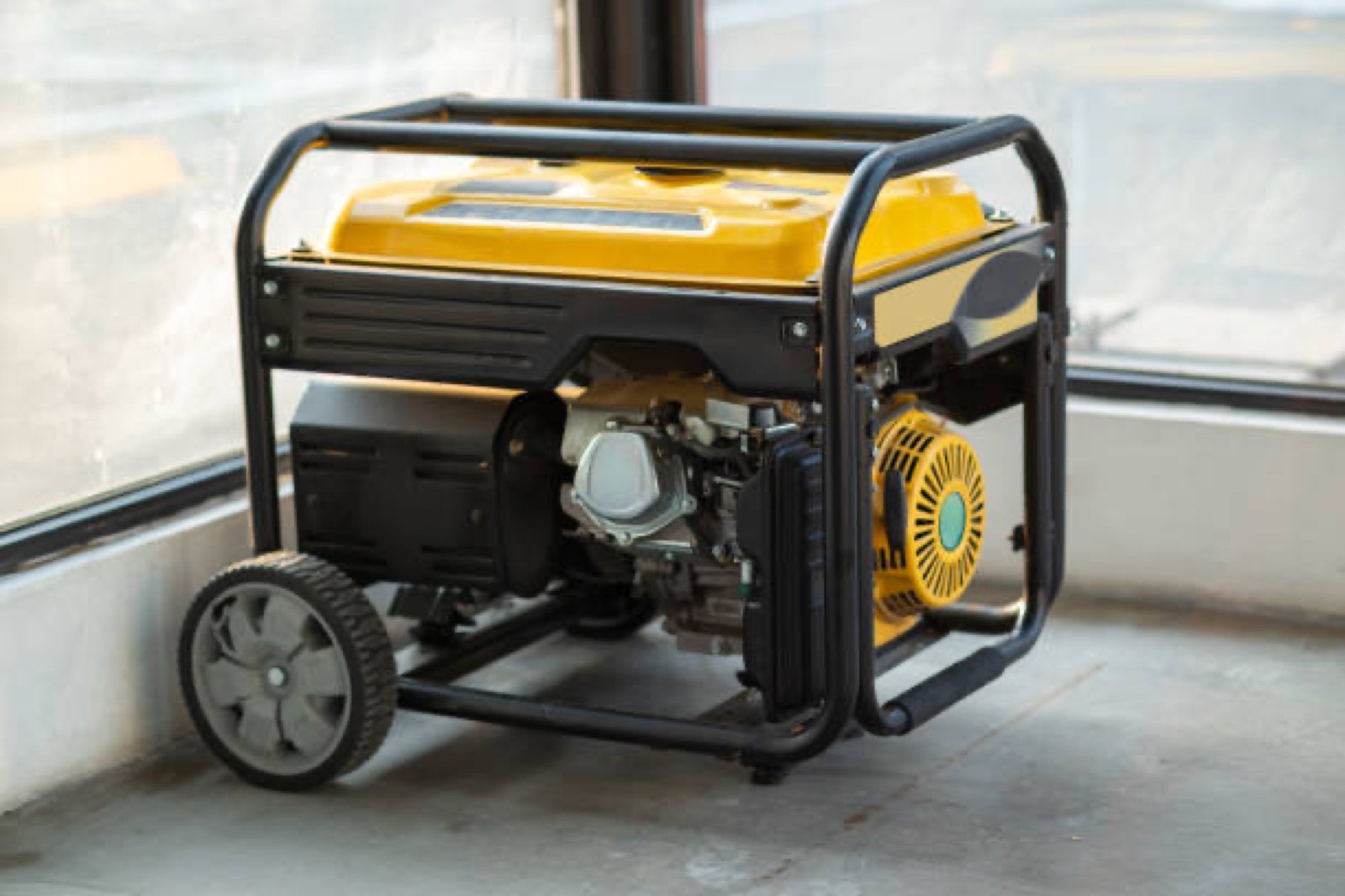
Not every house needs, or can physically take, a full whole-panel install. A backup generator covers the circuits that genuinely matter — heating, refrigeration, a few lights, the router, one bathroom, and any medical equipment somebody depends on — and it does that either through a permanently installed unit wired to a critical-loads subpanel, or through a portable set connected to the house properly rather than through a spiderweb of extension cords. Both are legitimate, both are code-compliant when done correctly, and the right one depends on your panel, your lot and how long your outages actually last. What is not legitimate is a portable generator plugged into a dryer outlet with a double-male cord, which is common, illegal, and the way people kill linemen and burn houses down. If you already own a portable unit, the single best thing you can do with it is have a transfer switch or a listed panel interlock fitted so it can feed the house safely. Where the load is bigger or the outages longer, the conversation moves to a whole house generator instead.
Why Go With Us For Backup Power
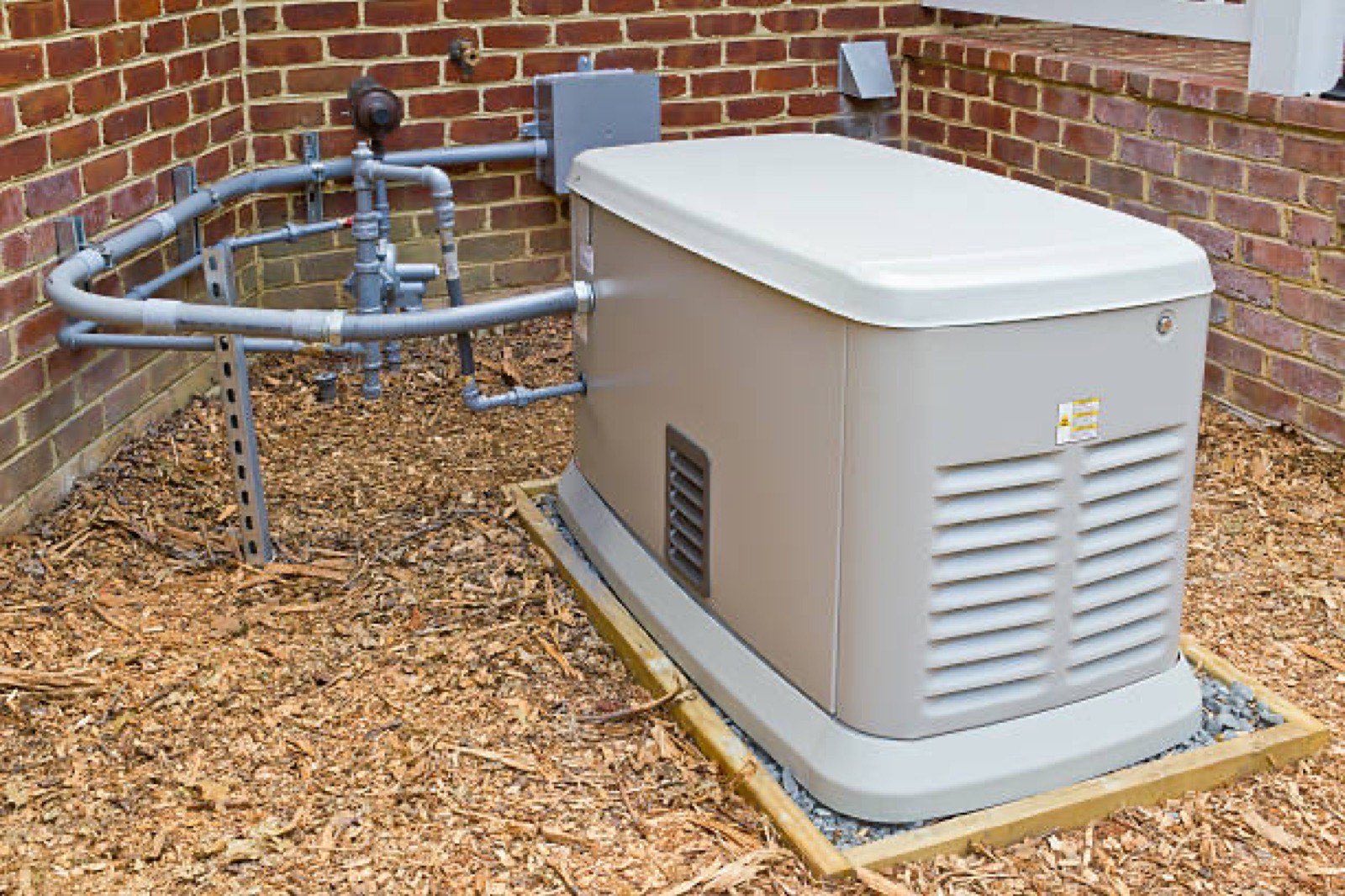
The back-up generator category attracts bad advice, because the cheap version of it looks like it works right up until it does not. We would rather sell you a small permanent install with a listed transfer switch than a bigger unit connected badly, and we say so on the phone before anybody comes out. On the portable side, we fit inlets, interlocks and manual transfer switches so an existing unit can feed a subpanel legally, which is usually a few hundred dollars of work that transforms what the generator is capable of. On the permanent side, we size the critical-loads panel around what you actually cannot lose rather than around what fits the brochure. And because we also install and service full standby systems, we have no reason to steer you toward one or the other — if a 14kW home standby generator is the better value in your situation, we will tell you that even though it is the smaller invoice today.
- Listed transfer switches and panel interlocks, so a portable unit can feed the house without backfeeding the utility.
- Critical-loads subpanels designed around your actual must-have circuits, medical equipment first.
- Honest comparison against a full standby install, including the case where the bigger unit is the better buy.
- Inlet boxes, cords and connections sized correctly for the unit you own rather than for a generic 30-amp assumption.
- Gas, dual-fuel and inverter portable units supplied and set up, with the fuel and runtime realities explained up front.
- Same licensed C-10 crew that does our standby work, permits pulled where the work needs them.
Reasons To Put In A Backup Generator
Backup power tends to be the right answer, rather than a compromise, in these situations:
The panel cannot take a whole-house transfer switch
Older San Francisco and Oakland housing stock is full of 100-amp services and panels that have been added to repeatedly. A critical-loads subpanel is often the clean solution: it gets the important circuits onto a generator without the service upgrade a whole-panel switch would first require.
Outages are frequent but short
If your typical event is two to six hours, keeping the fridge cold, the heat on and the internet up is the entire requirement. A right-sized back-up generator does that for a fraction of the cost of covering circuits you will not miss for an afternoon.
Somebody in the house is on powered medical equipment
This overrides the budget conversation. Concentrators, CPAP machines, powered beds, refrigerated medication and mobility equipment need a defined, tested circuit on the generator — not an extension cord and a plan. We wire those first and label the panel so anyone in the house knows what is covered.
You already own a portable generator
Most people who own one have never used it properly, because there is no safe way to connect it. Fitting an inlet and an interlock or a manual transfer switch is the cheapest meaningful upgrade in this whole category, and it turns an emergency prop into a working system.
The property is a rental, a flat or a shared building
Where a permanent unit is not yours to install, or the building will not allow one, a portable set with a properly fitted inlet on your own subpanel is often the only route available. It is also easy to take with you.
You want coverage now and a bigger system later
A critical-loads subpanel installed today is not wasted work if you upgrade in three years — the subpanel stays, the transfer switch changes. Doing it in that order is a legitimate way to spread the cost.
Tell us what genuinely cannot go dark and how long your outages usually run, and we will size it around that rather than around the catalogue. Call: (415) 818-1837
How We Set Up Backup Power
Shorter and simpler than a full standby install, but the same order of operations.
1. Work out what has to stay on
We go through the panel with you circuit by circuit and separate the genuinely critical from the merely nice. Medical equipment, heat, refrigeration, the router and one lighting circuit is a common shortlist, and it usually comes to a much smaller number than people expect.
2. Choose portable or permanent
A permanently installed unit on a critical-loads subpanel starts itself and needs nobody home. A portable needs somebody to roll it out, start it and refuel it, but costs far less and travels. We price both so the trade-off is visible rather than argued.
3. Install the switching
Automatic transfer switch for a permanent unit; an inlet box plus a listed interlock or a manual transfer switch for a portable. Either way the house is isolated from the utility whenever the generator is feeding it. This is the part that people skip and the part that actually matters.
4. Test it with you standing there
We kill the main, start the unit, transfer the load, and watch what comes up and what does not. Then we do it again with you doing it, because a backup system nobody in the household knows how to operate is not a backup system.
Portable Units, Fuel, Runtime And Safe Connection
The parts of the back-up generator question that people most often get wrong:
Portable versus standby, honestly
A portable unit costs hundreds to a few thousand, needs someone home to start and refuel it, runs on gasoline or propane, and covers a handful of circuits through a cord or an inlet. A standby unit costs thousands, starts itself in about ten seconds with nobody home, runs on natural gas indefinitely, and covers whatever the transfer switch is wired to. The right choice is mostly about whether anyone will reliably be there to operate it.
Gasoline, propane, dual fuel and natural gas
Gasoline is available everywhere and goes stale in three to six months, so it needs stabilizer and rotation. Propane stores indefinitely and burns cleaner, at roughly a ten percent power penalty. Dual-fuel portables run on either and are worth the small premium. Natural gas, on a permanent unit, removes the storage problem entirely and is why standby installs in this city are nearly all gas generators.
How long a tank actually lasts
A mid-size portable at half load runs roughly eight to twelve hours on a full gasoline tank, or about ten hours on a twenty-pound propane cylinder — which means a real overnight outage needs a second cylinder or a fuel run in the dark. Inverter units sip noticeably less at low load. A natural gas standby unit has no runtime limit at all as long as the main is live, which is the honest reason most people who start out shopping portable end up permanent.
Inlet boxes, interlocks and manual transfer switches
An inlet box is a weatherproof socket on the outside wall that a generator cord plugs into. A panel interlock is a mechanical plate that physically prevents the main breaker and the generator breaker from being on together. A manual transfer switch is a small separate panel with its own circuits. All three are legal ways to connect a portable; a double-male cord into a dryer outlet is not, and it is how linemen get hurt.
Carbon monoxide, and where these things must not go
Portable generators kill people every winter, always the same way: run in a garage, under a deck, in a doorway or too close to a window. They belong outdoors, at least twenty feet from the building with the exhaust pointing away from every opening, under a proper generator cover in rain — never in any enclosed or partly enclosed space, no matter how open the door is.
Batteries instead of, or alongside, a generator
Home battery systems are quiet, need no fuel and no maintenance, and cover a critical-loads panel for several hours. What they do not do is run for three days in December with no sun. Where a customer has solar and short outages, a battery is often the better answer, and we will say so — where outages are long, the generator wins, and plenty of houses in Pacifica and the hills sensibly end up with both.
Keeping a portable serviceable
A portable that has sat for two years with old fuel in the carburettor will not start on the night you need it, which is the most predictable failure in this entire industry. Run it under load for twenty minutes twice a year, change the oil on schedule, keep fresh stabilized fuel or propane, and check the cord. We service portables as part of generator repair and maintenance if you would rather not.
What Backup Power Costs
Backup power is the cheapest way into this category, and the range is wide because the options genuinely are. What drives the number:
- Portable or permanent. A portable unit plus a safe connection is a four-figure project; a permanent critical-loads standby install is a five-figure one.
- The switching. A panel interlock is the cheapest legal option, a manual transfer switch costs more, and an automatic transfer switch on a permanent unit costs more again.
- How many circuits. Each circuit brought into a critical-loads subpanel adds materials and labor, and the honest shortlist is usually six to ten rather than twenty.
- Distance from the panel. An inlet box on the wall behind the panel is quick. A run to the far side of the building through finished space is not.
- The unit itself. Inverter portables cost more than open-frame ones and are far quieter; dual-fuel costs a little more than gasoline-only and is worth it.
- Whether the panel is workable as it stands. Some old panels have no spare space and no compatible interlock kit, and that changes the job.
We quote the connection work and the equipment as separate lines, so you can supply your own unit if you already own one. If the numbers end up close, we will show you where the crossover to a whole house generator sits, and you can see the full range of generator installation and repair across the city before deciding.
Frequently Asked Questions
What is the difference between a portable and a standby generator?
A portable is wheeled out, started by hand and refueled by hand, runs on gasoline or propane, and feeds a few circuits through a cord or an inlet. A standby unit is bolted to a pad, plumbed into natural gas, starts itself about ten seconds after an outage with nobody home, and feeds whatever the transfer switch is wired to. The deciding question is usually whether somebody will reliably be there to operate it.
What is the best fuel type for a backup generator?
For a permanent unit in San Francisco, natural gas — the main is already there, nothing is stored, nothing goes stale and runtime is unlimited. For a portable, dual fuel: propane for storage life and clean burning, gasoline when propane is not to hand. Diesel is the right answer on commercial and industrial sites and the wrong one behind a house, because of fuel storage, noise and emissions rules.
How long will a backup generator run on one tank?
A mid-size portable at half load gets roughly eight to twelve hours from a full gasoline tank and about ten hours from a twenty-pound propane cylinder, so an overnight outage needs a second cylinder ready. Inverter units use noticeably less at light load. A natural gas standby unit runs indefinitely while the gas main is live, and a diesel set runs as long as its tank lasts, typically sized for a full day at load.
Can I just plug a generator into an outlet in my house?
No. Feeding a house through a dryer or range outlet with a double-male cord energizes the utility line outside and can kill a lineman working on it, and it bypasses every protection in your panel. The legal options are an inlet box with a panel interlock, a manual transfer switch, or an automatic transfer switch. Fitting one is usually a few hundred dollars of work and it is the single most worthwhile thing you can do with a generator you already own.
What brands of generator do you install and service?
We install and service Generac, Kohler, Cummins and Champion generators, and we service Honda, Briggs and Stratton, Onan and most other makes we come across on portables and older standby units. We are not tied to one brand: Generac has the widest parts network locally, Kohler runs quieter, Cummins suits larger and commercial loads, and Champion is the value choice for a modest house.
Where should I put a portable generator while it is running?
Outdoors, at least twenty feet from the building, with the exhaust pointing away from every door, window and vent, on level ground, under a proper open-sided generator cover if it is raining. Never in a garage, never under a deck, never in a doorway or a partly open space. Carbon monoxide from portable generators kills people every winter and it is always the same mistake.
Need a generator in San Francisco?
Tell us the address and what has to stay running, and we will come back the same day with a free estimate and one fixed price.
Or call us now: (415) 818-1837